
Over the years, coaches, scientists, and public officials have come to PEER with concerns about artificial turf. These include the climate impacts of producing the plastics used to make the fields, the presence of toxic chemicals in those plastics, and an increased risk of injury to players. In 2019, PEER and The Ecology Center discovered PFAS (“forever chemicals”) in turf blades, backing, and some infills. Since then, PFAS have turned up in every turf brand tested. These chemicals, along with hundreds of pounds of micro- and nanoplastics, leach from fields into nearby soil and water.
Artificial turf is a fossil fuel product that creates heat islands, emits greenhouse gases, and smothers natural soil microbiomes. It is nearly impossible to recycle, so old turf ends up in landfills, farms, wetlands, and back alleys.
With federal agencies slow to act, communities are issuing moratoriums. PEER supports these efforts by exposing turf’s dangers and promoting safer alternatives, like natural grass, that are better for the climate, public health, and players.
Featured Initiatives
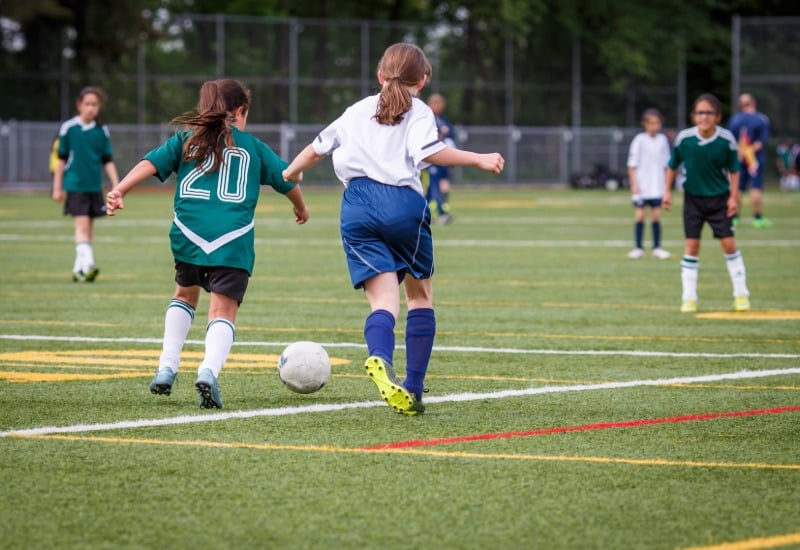
Pathway to PFAS Exposure
A PEER study found that soccer players and coaches who play on artificial turf pick up toxic PFAS on their skin.
Read the Release
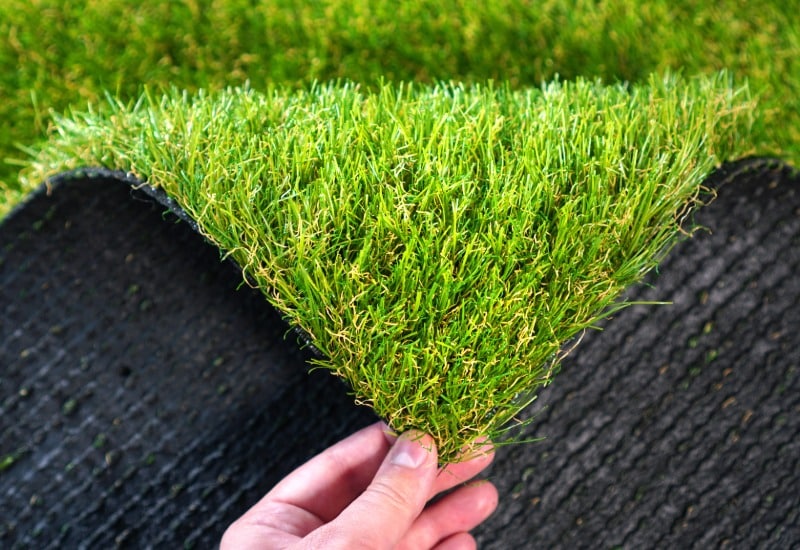
False Recycling Claims
A PEER complaint accuses the artificial turf industry of falsely claiming that its product is recyclable.
Read the Release

Protecting Communities
Listen to the story of PEER’s role in protecting a Massachusetts community from the artificial turf industry.
Watch the Video
Environment & Public Health Topics
PFAS ‘Forever Chemicals’
PFAS are a toxic class of man-made chemicals that persist in soil, water, wildlife, and people for decades, driving widespread contamination.
Drinking Water
Government failures to protect drinking water have exposed communities to lead, copper, PFAS, pharmaceuticals, and other contaminants.
Pollution Enforcement
Environmental enforcement is crucial because it ensures that polluters are held accountable for their impacts on our communities and the natural world.
Latest News
PEER's Past Efforts
- Called out EPA’s inaccurate reporting that exposure risks from toxic chemicals, such as lead, within artificial turf were low.
- Worked with a University of Washington associate head soccer coach to expose the possible connection between cancer and artificial turf.
- Provided expert witness testimony in court cases regarding artificial turf before state and local legislators.
- Assisted two municipalities in enacting moratoriums on artificial turf.