Forever Chemicals Everywhere

PEER works to protect public health and wildlife from per- and polyfluoroalkyl substances (PFAS) contamination. Unfortunately, the absence of enforceable federal health and environmental standards for PFAS poses a significant and growing threat to our health, water, and soil. A key cause for concern is that these so-called “forever chemicals” do not break down in the environment, many of which are toxic, and some bio-accumulate in the food chain — and in us.

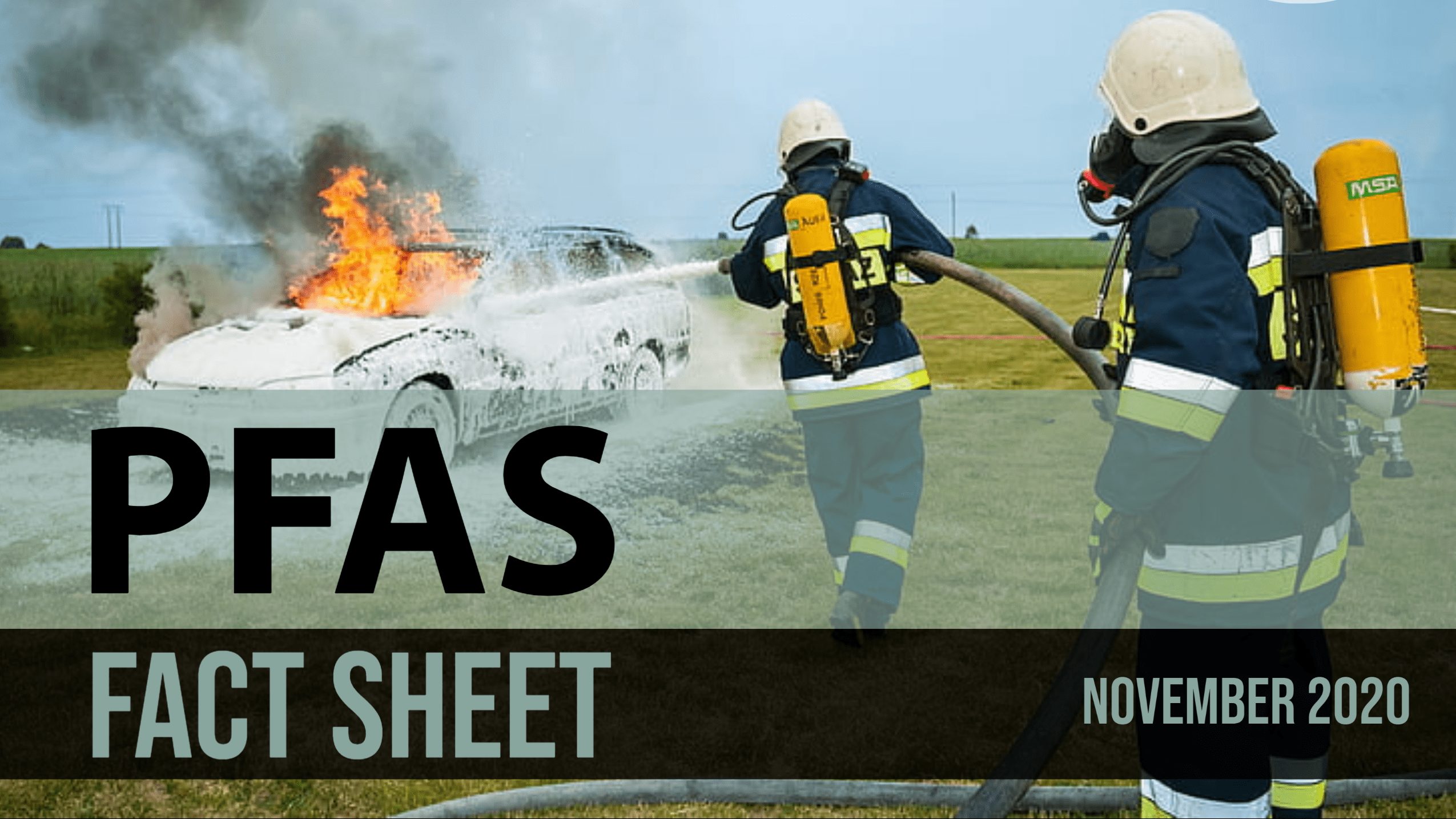
PFAS are used as fire retardants and repellents; in consumer products, such as furniture, take-out containers, and non-stick cookware; and have many other applications. Human exposure to PFAS is associated with cancer, birth defects, developmental damage to infants, and impaired functioning of the liver, kidneys, and immune system.

Yet, an estimated 200 million Americans are drinking water contaminated with PFAS, and PFAS have also been found in grocery store meats, milk, seafood, bottled water, as well as in wild fish and game. Studies have also found PFAS in the bloodstream of 99% of Americans.

Although the U.S. Environmental Protection Agency (EPA) knows of about 13,000 types of PFAS, it has only proposed drinking water limits on sixPFAS in drinking water and two PFAS under the Superfund hazardous waste cleanup program Much more needs to be done.

PEER is urging EPA to regulate PFAS as a class of chemicals and to classify waste contaminated with PFAS as a hazardous waste under the Resource Conservation and Recovery Act (RCRA), so that it can be more safely managed during generation, transportation, and disposal. In addition, PEER continues to expose how EPA violates its own scientific integrity norms and guidance in approving PFAS chemicals for use. We also work vigorously to release to the public information on PFAS that EPA tries to keep hidden from the public.

PFAS News and Resources

Youtube video
Beefalo hybrid of cattle and bison
Youtube video

NEWS FROM PEER

High Levels of Dangerous ‘Forever Chemicals’ Found in California’s Most-Used Insecticide

40% of Tested Agricultural Pesticide Products Contain PFAS

COMMENTARY | Don’t Let Plastics Overtake the Earth

We are recommitting ourselves to finding ways to rapidly reduce our dependence on plastics and their impact on the ...

EPA Needs a Transparent Public Process for Inhance PFAS SNUNS

Unclear comment and review deadlines, heavy redactions, and disorganized files are blocking meaningful comments on ...

PFAS Fluorinated Container Citizens’ Suit Dismissed Without Prejudice

Groups Plan Intervention in EPA Lawsuit Against Inhance Technologies

Organizations Push to Get PFAS out of Plastic Containers

EPA must ban fluorination process that creates PFAS in plastics

COMMENTARY | The EPA is Hiding Behind Industry Secrets

This Sunshine Week, we discuss the use of “Confidential Business Information” to hide health and safety ...

STATEMENT | EPA’s Action on PFAS in Drinking Water

EPA’s chemical-by-chemical approach leaves the public unprotected from the vast majority of toxic but unregulated PFAS.

Scientific Basis for EPA’s Definition of PFAS Still Missing

Europe and Canada Embrace Inclusive PFAS Definitions While U.S. Dithers

PEERMail | Jumping the Gun in East Palestine

The explosion of a train carrying toxic chemicals in East Palestine, Ohio, reminds us of the government’s ...

COMMENTARY | EPA Asks for Comment on PFAS Data It Won’t Release

EPA is asking the public to comment on fluorination of plastics but keeping important materials, including health ...

Groups Call on EPA to Ban Plastic Fluorination that Creates PFAS

EPA Must Release Withheld Health and Safety Studies

Off-the-Charts PFAS in Maryland Biosolid Fertilizers

Call for Montgomery County Ban on Biosolids to Stem Water Contamination

PFAS in Plastic Containers Should Not Be Confidential

Groups Urge EPA to Inform the Public of the Presence of Unsafe PFAS in Fluorinated Containers

PEERMail | We Are Suing to Prevent Further PFAS Contamination

Handling or using fluorinated containers could be a significant pathway for unsafe human exposure to PFOA and other PFAS.

Tens of Millions of Plastic Containers Treated with Fluorine Gas Leach Toxic PFAS Chemicals into Art and Cleaning Supplies, Food, and Other Household Products

Nonprofit Organizations File Suit Against Inhance Technologies to Stop Violations of U.S. EPA Regulations

COMMENTARY | The Hidden Dangers of Biosolids

Biosolids are often marketed as "all-natural" but we don’t think about the pollutants that are transferred to ...

Substantial PFAS Contamination Found in Pesticides in Colorado

Threat to Food Chain Justifies Colorado Ban of All Pesticides Containing PFAS

Los Angeles’ Artificial Turf Plan Misguided

PFAS Found in Turf Dangerous for Children

Substantial PFAS Contamination Found in Pesticides

Threat to Food Chain Justifies Ban of All Pesticides Containing PFAS
No results found.